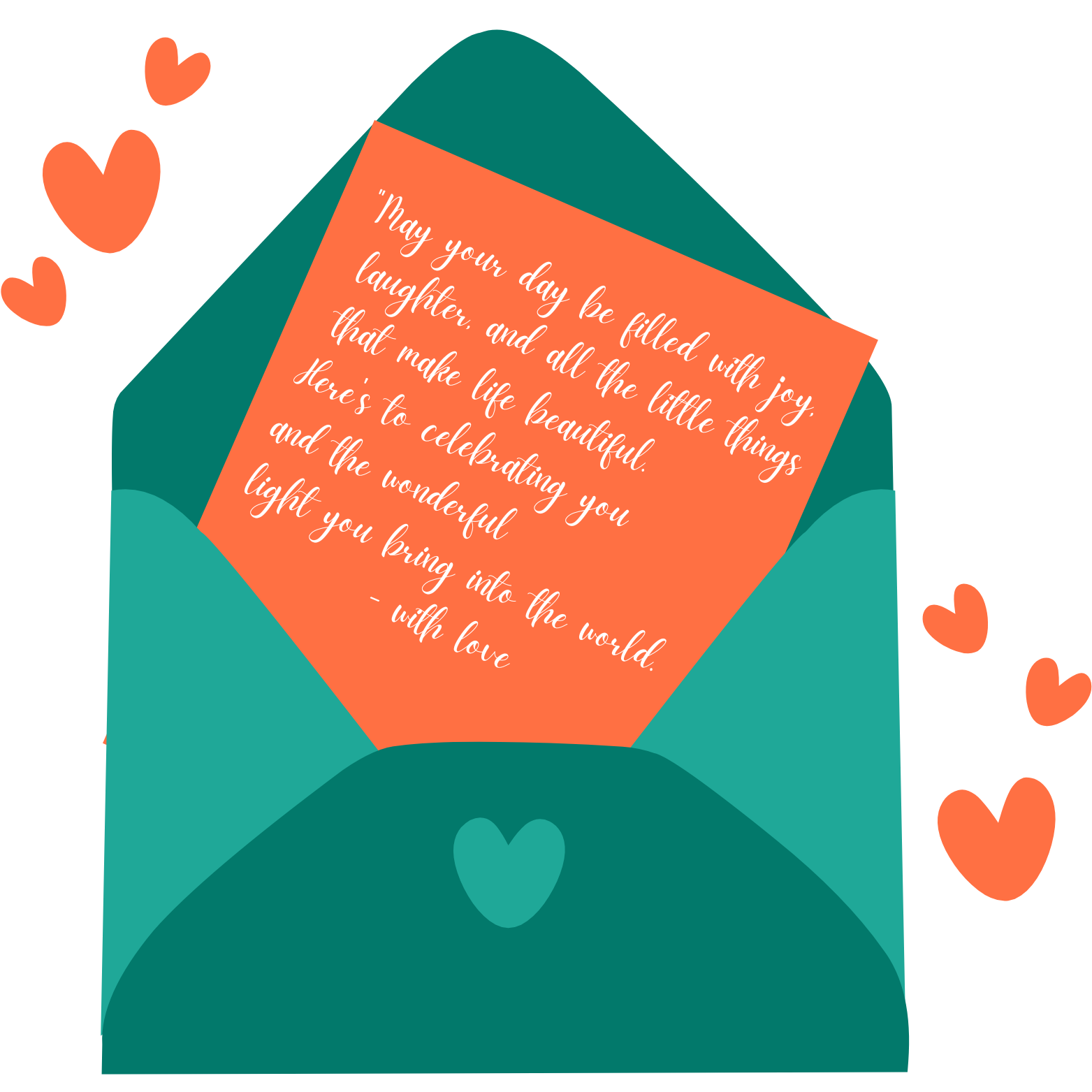
2026 New Year's Card Etiquette: Sending Wishes in a Global World

Photo by Catherine Zaidova on Unsplash
The crisp air of late December? It always makes me think about the end of the year, sure, but also all the exciting possibilities that are coming right up. Like, 2025 is almost done, wow! And I'm already starting to think about New Year's Eve – you know, the parties, the resolutions for 2026. But you know what I really love? New Year's cards. It's such a simple thing. But in our crazy interconnected world, sending a card? It really means something. It's a real expression of goodwill, a way to reach out, a personal message that actually, you know, lands. So, let’s make our 2026 New Year's greetings truly global this year, crafted with thought for different cultures and being sensitive to everyone who's getting them. Before we dive into 2026, understanding New Year's card etiquette is super important. It's about showing respect, making good connections, and making sure your good wishes are felt the way you want them to be. It’s not just sending a holiday card; it's about sending a message of unity and goodwill in a diverse and ever-changing world. With a little prep and thinking, your 2026 New Year's cards can be a seriously meaningful gesture. So this year, we're going to get into the details of international card customs, giving you some practical tips to make sure your New Year's wishes are spot on around the world.
Navigating Cultural Nuances in 2026 New Year's Greetings
Sending New Year's cards around the world is more than just a quick "Happy New Year!" While that's nice and all, being culturally sensitive can really take your message to the next level. Before you even think about writing those addresses, take a sec to think about where the person is from. A little research into their New Year's traditions can really make a difference. I mean, some cultures have lucky colors, and others... well, they don't. Red, for example, is often seen as good luck in Chinese culture, but it might mean something totally different somewhere else. Also, when you send the card matters! Lots of Western cultures do January 1st, but other cultures use lunar or other calendars. Showing you get this? It shows you care. Thinking about the recipient's background is especially important when sending congratulations card for any type of holiday or event.
And consider your language. Even though English is spoken everywhere, a greeting in their language – even just a little bit – shows a lot of respect. Online translators can help, sure. But be careful with those word-for-word translations, because they don't always work! It's a good idea to have a native speaker look over your message, just to make sure it's all good and makes sense. Plus, be careful with religion or politics. Don't assume anything about what they believe or value. Instead, stick to things like hope, peace, and goodwill. Use language that everyone can get behind, and don't bring up anything that could cause problems. Remember, it's all about spreading good vibes, not creating drama. Also, remember to send thank you card to people who were helpful during the past year.
Formality matters, too. Some cultures like things formal, especially in business. Using titles and being respectful of their traditions is key. But in other cultures, being casual is fine. Think about your relationship with the person, and write accordingly. If you're not sure, it's usually better to be a bit more formal, just to be safe. And finally, remember that handwritten cards are super special now. That personal touch really shows you care, making your New Year's greeting even more impactful.
Crafting Inclusive and Respectful Greetings
In 2026, being inclusive is everything. The best New Year's greetings are the ones that work for everyone, showing that we get the world we live in. Don't assume anything about someone's background, beliefs, or life. Focus on universal good stuff: hope, joy, and goodwill. Instead of "Merry Christmas and Happy New Year" (which might not work for everyone), try something like "Wishing you joy and happiness in the New Year." It acknowledges the season without being specific to one religion or culture. Being thoughtful is especially important when sending sympathy card or get well card, too.
When you're writing the addresses, use gender-neutral language. Don't use titles or pronouns unless you're positive you know what they prefer. Using their full name, or a gender-neutral title like "Mx." is safe and respectful. Also, know that different cultures address people differently. Researching how they do things can help you avoid accidentally offending someone.
Think about the pictures on your card, too. Pick images that are culturally appropriate and don't use any symbols or stereotypes that could be offensive. Go for neutral and inclusive images that celebrate diversity and unity. So, instead of religious images, maybe use nature scenes or abstract designs, or pictures that show peace and harmony. And always, always double-check your card for typos! A small mistake can really take away from your message. Making sure everything is perfect shows you care and value the relationship.
And hey, consider sending anniversary card to loved ones at the start of the year.
Digital vs. Traditional: Navigating Modern Communication
Digital communication has changed everything, no question. But while e-cards and social media are easy and fast, they often don't have that personal touch that paper cards do. In 2026, it's all about finding the right balance between digital and traditional. Think about who you're sending the card to, and why. For close friends and family, a handwritten card is often the best way to go. The effort really shows you care. But for business, clients, or people you don't know as well, an e-card or a printed card might be better. It's professional and efficient.
If you're sending e-cards, think about the design and what you're saying. Pick a design that looks good and shows your personality or brand. Don't just use those generic templates! Add a personal touch, like a detail or story that the person will connect with. Watch your tone, too. Even though digital is often casual, you still want to be professional, especially for business. And always proofread! A well-written e-card shows you pay attention to detail and respect the person you're sending it to.
Basically, whether you go digital or traditional depends on you, who you're sending it to, and what you're trying to say. Thinking about these things will help you make sure your New Year's greetings are great. Don't forget to send a birthday card if the new year falls close to the receiver's birthday!
Looking Ahead: Trends in New Year's Card Giving
As we head into 2026, there are some interesting trends in New Year's card giving. Personalization is huge. People want to make their greetings unique, whether it's with custom designs, personal messages, or handwritten notes. Sustainability is also key. Lots of people and businesses are choosing eco-friendly cards made from recycled paper or materials that can be planted. It shows they care about the environment. Digital stuff is also changing things. Augmented reality (AR) cards, which come to life on your phone or tablet, are getting more popular. They're a fun way to connect.
Handwritten notes are still going strong. In a world of digital everything, a personal note means more than ever. Taking the time to write something heartfelt shows you care. And people are also getting more interested in different cultures. They want to learn about them and use elements in their New Year's greetings. It shows we're all connected and want to understand and respect each other. It is important to remember to be culturally sensitive in your new year's wishes. When sending Christmas card be especially aware of the differences in other cultures.
As 2025 wraps up, just remember: sending New Year's cards in 2026 is more than just something you do; it's a way to connect with people, build relationships, and spread good vibes in a global world. By being sensitive to different cultures, writing inclusive messages, and thinking about how we use digital tools, we can make sure our greetings are well-received and really mean something to everyone. Let's try to make our New Year's cards a symbol of unity, understanding, and hope for a brighter future. Make 2026 the year you send your warmest and most thoughtful greetings to everyone you care about, near and far. It's a small thing that can really make a difference, spreading joy as we start a new year with so many possibilities. Happy planning, and Happy New Year!
Ready to make someone's day?
Create a free group greeting card in minutes — anyone can add a message, no sign-up needed.
Browse cardsGreetopia team
Ideas and inspiration for heartfelt cards.
Related articles
View all posts → 6 min
6 minWords of Pride: Supportive Cards and Messages for Coming Out in 2026
Words of Pride: Supportive Cards and Messages for Coming Out in 2026 Let’s be honest for a second: coming out is incredibly brave. It’s also deeply personal…
 6 min
6 minGoing Digital for June: Creative Pride Month E-Cards to Share Online
Going Digital for June: Creative Pride Month E-Cards to Share Online June is finally here! And honestly, I couldn't be more excited. The colors, the community,…
 5 min
5 minCelebrating Juneteenth Digitally: E-Cards for Remote Teams
Celebrating Juneteenth Digitally: E-Cards for Remote Teams I am writing this between packing up orders and sorting out support emails, but this is a topic that…