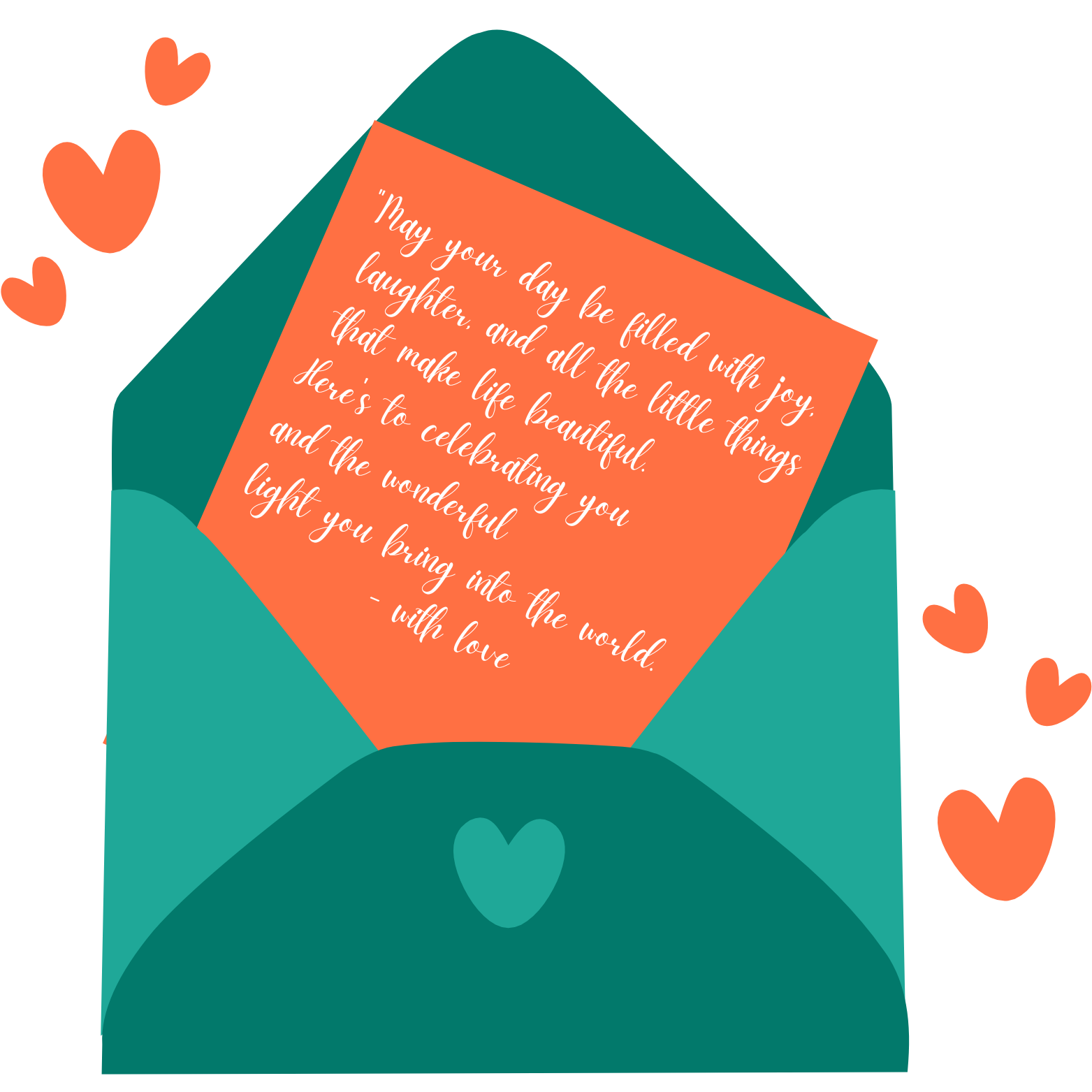
Beyond 'Get Well': Cards for Ongoing Mental Health Support

Photo by Total Shape on Unsplash
Beyond 'Get Well': Cards for Ongoing Mental Health Support
Okay, so it's 2025, right? And our understanding of mental health has got to deepen – and that goes for how we offer support, too. Can't just say "get well card" and expect folks to bounce back, you know? Mental health's a journey, not a sprint. So, support should reflect that. Gotta move past the whole "get well soon" thing and send messages of encouragement, understanding, and unwavering support for the long haul. Cards? They're surprisingly powerful. They're a tangible reminder that someone cares and is thinking of them, even when the recipient isn't visibly "sick".
We celebrate milestones with cards all the time – birthday card, wedding card, graduation card. So why not extend that to mental health milestones and everyday struggles? It's time to reimagine greeting cards as consistent, meaningful support. I'm going to dive into how to pick and personalize cards that offer ongoing encouragement and validation. This is what I've been working on, and I wanted to share.
This isn't about replacing professional help; instead, it's about adding to it with consistent, personal support. These cards? They're little reminders that the recipient is valued, seen, and not alone. Let's check out how we can use words and visuals to create cards that actually make a difference.
Understanding the Need for Ongoing Support
Mental health isn't a cold; it's not something you "get over." It needs continuous management, therapy, self-care, and a strong support system. A one-time get well card might be nice at first, but it's the ongoing support that really counts. People dealing with anxiety, depression, or PTSD? They have ups and downs. Good days, bad days. Knowing someone's there through it all is huge.
Think about it: We send anniversary cards every year. Shouldn't we acknowledge someone's strength and resilience in managing their mental well-being just as consistently? And the act of getting a card – a physical thing representing someone's thoughts – is a real boost, especially when things are tough. It's a reminder that they aren't forgotten and that their feelings are real.
Plus, these cards can help break down the stigma, you know? By openly supporting someone, we normalize the conversation and encourage others to do the same. Imagine if, instead of just sending a card when someone's struggling, we proactively sent cards of encouragement throughout the year. That proactive approach? It can foster hope and belonging, making it easier for people to seek help when they need it. I think this is important.
What to Write: Messages that Matter
Your words matter. Don't use generic platitudes or phrases that minimize their experience. Instead, use messages that are empathetic, supportive, and validating. Here are some ideas:
- Acknowledge their strength: "I'm so proud of your resilience and how far you've come." "You are stronger than you think, and I admire your determination."
- Validate their feelings: "It's okay to not be okay. Your feelings are valid, and I'm here to listen without judgment." "I know things are tough right now, and I want you to know that I see you, and I care."
- Offer unwavering support: "I'm here for you, no matter what. Whether you need someone to talk to, a distraction, or just a silent presence, I'm here." "You don't have to go through this alone. I'm in your corner, always."
- Share a positive memory or inside joke: A lighthearted reminder of a good time can lift their spirits and bring a smile to their face.
- Focus on progress, not perfection: "Every small step forward is a victory. Celebrate your progress, no matter how small it may seem." "You're doing great. Keep going, one day at a time."
- Avoid offering unsolicited advice: Unless they specifically ask for advice, focus on listening and offering support.
Remember to personalize the message to your relationship. A heartfelt, genuine message will always be better than a generic one. And, you could even send a thank you card to acknowledge their bravery for sharing their experiences.
Choosing the Right Card
The design matters, too. While a Christmas card or a valentine card is festive, cards for mental health support should be thoughtful and sensitive.
- Opt for calming colors and imagery: Blues, greens, and pastels can be soothing. Nature scenes, abstract art, or simple patterns can also be good choices.
- Consider minimalist designs: A less cluttered design can be less overwhelming.
- Look for cards with encouraging quotes or affirmations: Many cards feature inspiring messages that can provide a boost of hope and motivation.
- Think about the recipient's personality: Choose a card that reflects their individual style and preferences. Do they prefer humor, sentimentality, or something more straightforward?
- Create your own card: A handmade card can be even more meaningful. You can personalize it with photos, drawings, or handwritten messages.
You can even add self-care elements. Maybe a small packet of herbal tea or a gift certificate for something relaxing. The goal is a card that feels supportive, comforting, and uplifting.
Beyond Special Occasions: Consistent Check-Ins
Sending a card around a birthday card or during a tough time is nice, but consistent check-ins are where it's really at. Set reminders to send cards regularly, even when there's no specific reason. Those unexpected gestures? They're powerful.
Think of it like a garden: you don't water once and expect it to thrive. You need consistent care. Same with mental health support. Regular cards are little reminders that you're thinking of them and that you care. This is what I'm learning, anyway.
You can even create a series of cards with different themes. A "Motivation Monday" card with an inspiring quote, or a "Wellness Wednesday" card with a self-care tip. Get creative and make these check-ins personal and meaningful.
So, in 2025, sending cards is becoming more than just for occasions; it's a continuous expression of care. By doing this in your relationships, you can help create a culture of understanding around mental health. It's a simple thing that can make a big difference.
Cards are a unique way to provide ongoing mental health support, and not just the usual “get well card”. By choosing your words carefully, picking thoughtful designs, and making check-ins regular, you can create a powerful tool for encouragement. Let’s use cards to foster a more supportive world for those navigating mental health. I think we can do it.
Ready to make someone's day?
Create a free group greeting card in minutes — anyone can add a message, no sign-up needed.
Browse cardsGreetopia team
Ideas and inspiration for heartfelt cards.
Related articles
View all posts → 6 min
6 minWords of Pride: Supportive Cards and Messages for Coming Out in 2026
Words of Pride: Supportive Cards and Messages for Coming Out in 2026 Let’s be honest for a second: coming out is incredibly brave. It’s also deeply personal…
 6 min
6 minGoing Digital for June: Creative Pride Month E-Cards to Share Online
Going Digital for June: Creative Pride Month E-Cards to Share Online June is finally here! And honestly, I couldn't be more excited. The colors, the community,…
 5 min
5 minCelebrating Juneteenth Digitally: E-Cards for Remote Teams
Celebrating Juneteenth Digitally: E-Cards for Remote Teams I am writing this between packing up orders and sorting out support emails, but this is a topic that…