Gen Alpha's Guide to E-Card Etiquette: Dos & Don'ts

Photo by Claire Abdo on Unsplash
Gen Alpha's Guide to E-Card Etiquette: Dos & Don'ts (2025 Edition)
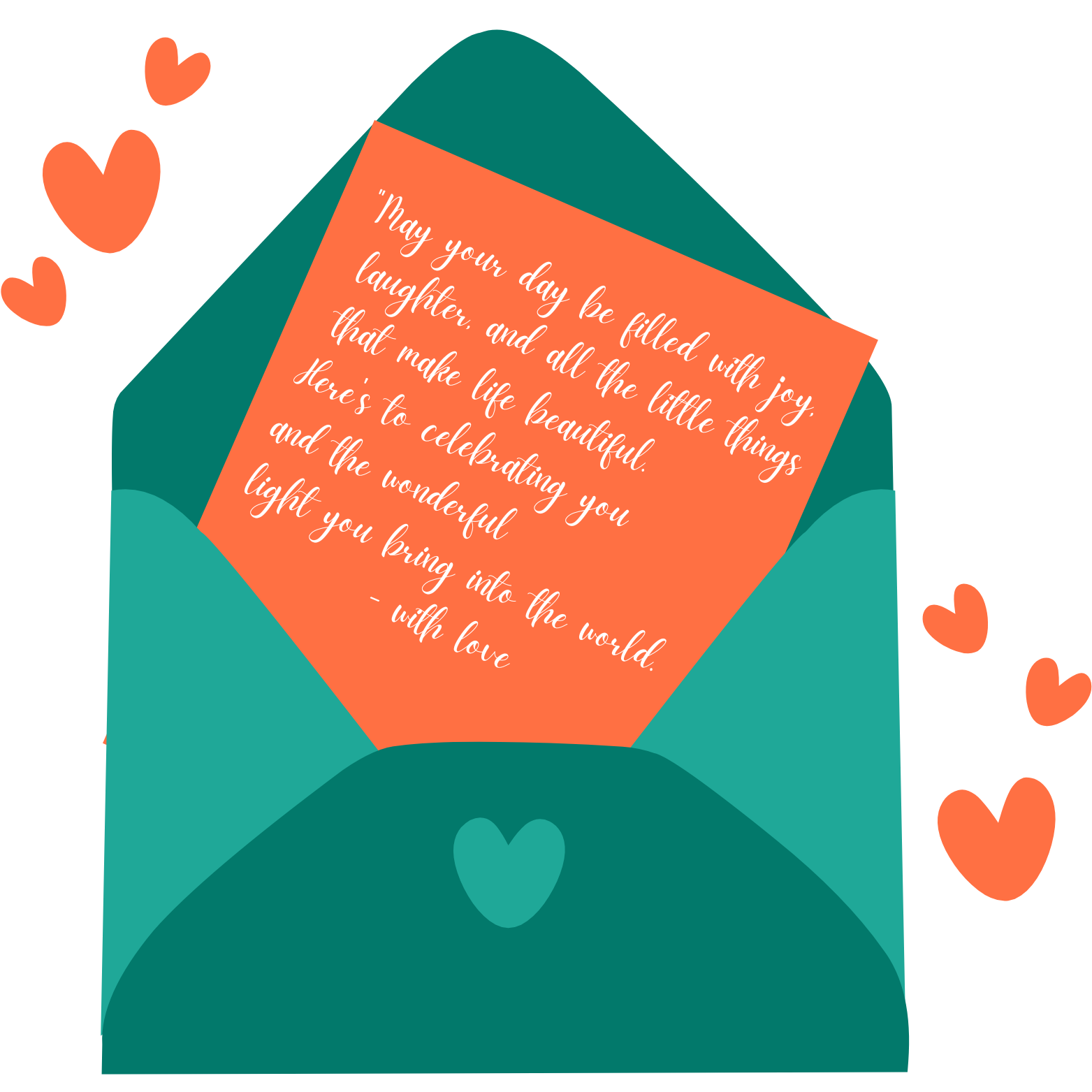
Hey Gen Alpha! So, in 2025, sending a physical card? That feels… ancient, right? E-cards are how I spread love, cheer, and celebrate stuff now. But just 'cause they're digital doesn't mean you can skip being polite. It takes finesse! Think of your e-card as you – your values, how you see things, and your relationship with whoever's getting it. I think getting the right message across, the right way, can make all the difference. So, grab your devices, and let's jump into my ultimate guide to e-card etiquette for the digital age!
I'm talking more than just slapping a GIF on a screen and calling it done. In this guide, I'll cover designs, messages, social media...the works! We'll avoid those cringe-worthy moments, too. Think of this as your handbook to becoming an e-card pro. Whether it's a birthday card or a thank you card, good etiquette means your message lands with the warmth you want.
Choosing the Right E-Card
First impressions count, even online. Picking the right e-card design is key. What's the occasion? Formal like a wedding or chill like a birthday? The design's gotta match. A bright, animated card is great for a friend, but, uh, not for a sympathy card. Too much!
Think about what the receiver likes, too. Minimalist? Bold? If you aren't sure, keep it simple and classy. A clean card always works. Loads of platforms let you customize stuff, so go wild and personalize it! That's what I do. Make it theirs.
And beyond looks, does it work? Easy to see on phones? Loads fast? Ditch cards with too much going on that could cause issues. A smooth experience means your message gets through and gets appreciated. Gotta love that.
Crafting the Perfect Message
The message is everything! It's where you show your real feelings. Skip the generic stuff. Write something from the heart that connects to the event and your relationship. "Happy Birthday"? Nah. Share a memory! Wish them well! When they nail something and you send congratulations, tell them what you admire about their work. I always try to do that.
Keep it short! People don't read long stuff online. Get to the point. Use bullets or short chunks to make it easier to read. Proofread! Typos are the worst.
Add something personal, like an inside joke. That proves you put some thought into it. And in 2025, video messages are BIG. If you're feeling creative, record a quick video for an extra special touch. Maybe for a graduation card? Just an idea...
Social Media Sharing: Tread Carefully
Sharing everything online is tempting, I know. But with e-cards, be careful. Always ask if they're okay with you sharing it. Some folks like to keep things private, and that's cool. If you aren't sure, don't post it.
If they say yes, watch what you post. Keep it positive, highlight the good stuff, and use the right hashtags. And tag them if they're cool with it. Social media is public, so anyone can see it.
Check your privacy settings, too. If you're sharing a birthday message, make sure they can see it! Otherwise, they won't know you posted. When sending a new baby card, definitely check with the parents before you post anything.
Common Digital Faux Pas to Avoid
It's easy to mess up, even with good intentions. Sending a generic message is the big one. As I said, put some heart into it! Avoid canned responses. Copy-pasting? No way.
Another one? Sending it super late. E-cards are fast, but still… send them on time! Waiting until the last minute makes it look like you didn't care much. Send it a few days early. That's what I do. Especially for a holiday card, when things get crazy and slow.
And lastly, don't send anything offensive. No discrimination, no hate, no inappropriate stuff. When in doubt, ask someone else what they think. I do that a lot. Sending a valentine card to someone you barely know? Might be too much.
Conclusion: E-Card Etiquette for a Connected Generation
E-cards are part of life in 2025. Good etiquette means your messages land the right way. If you pick the right design, nail the message, be smart on social media, and avoid mistakes, you're golden. I think that while digital is fast, it still needs thought and care to make real connections.
Really, it's all about being nice and thinking of others. Take the time to show you care and connect with people. Follow these tips, and your e-cards will always be welcome. So go out there, Gen Alpha, and spread some cheer! Whether it's anniversary cards or just saying hi, a little etiquette goes a long way. And a simple get well card can mean a lot.
Ready to make someone's day?
Create a free group greeting card in minutes — anyone can add a message, no sign-up needed.
Browse cardsGreetopia team
Ideas and inspiration for heartfelt cards.
Related articles
View all posts → 6 min
6 minWords of Pride: Supportive Cards and Messages for Coming Out in 2026
Words of Pride: Supportive Cards and Messages for Coming Out in 2026 Let’s be honest for a second: coming out is incredibly brave. It’s also deeply personal…
 6 min
6 minGoing Digital for June: Creative Pride Month E-Cards to Share Online
Going Digital for June: Creative Pride Month E-Cards to Share Online June is finally here! And honestly, I couldn't be more excited. The colors, the community,…
 5 min
5 minCelebrating Juneteenth Digitally: E-Cards for Remote Teams
Celebrating Juneteenth Digitally: E-Cards for Remote Teams I am writing this between packing up orders and sorting out support emails, but this is a topic that…