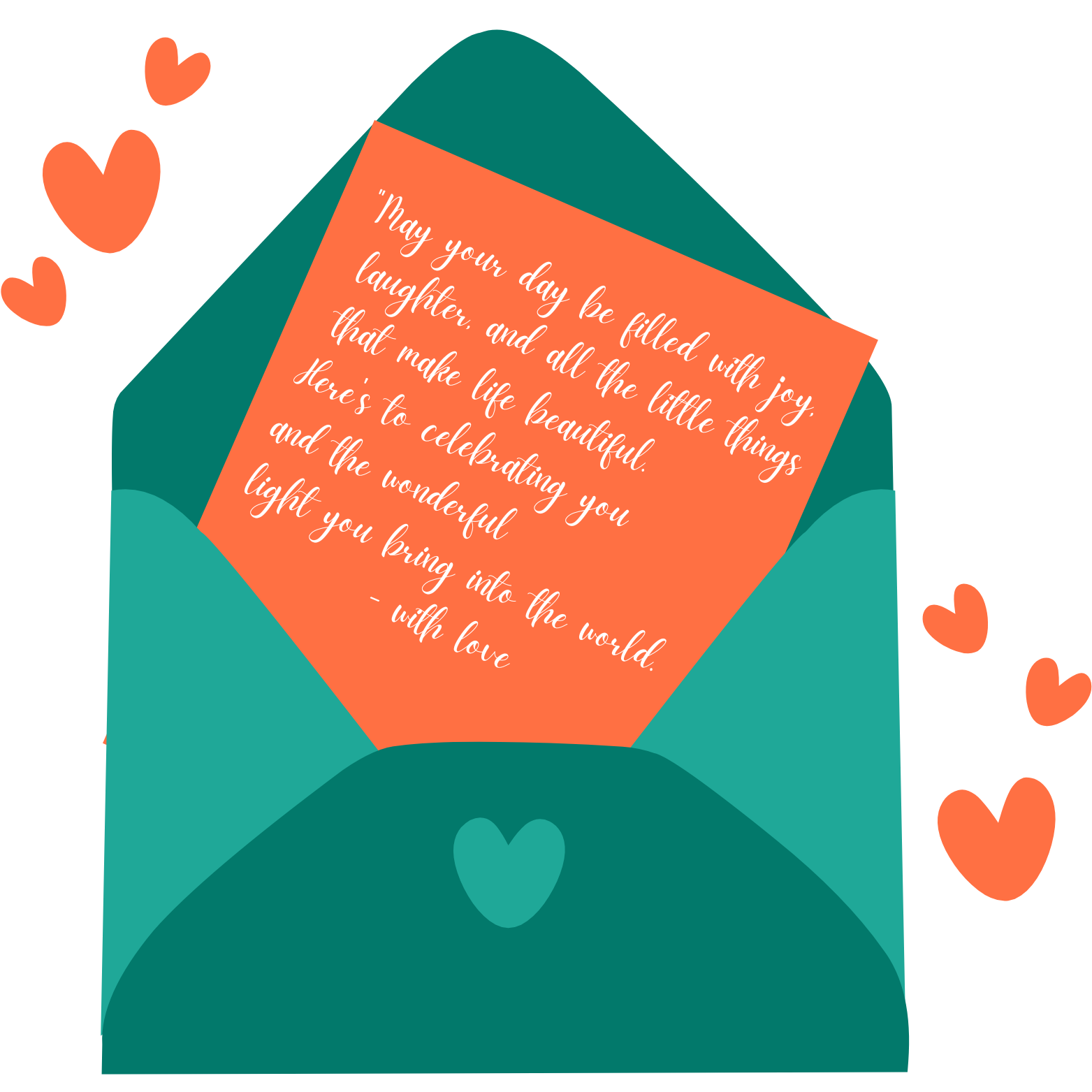
Get Well Wishes: Comforting Words for a Speedy Recovery

Okay, so 2025 is a whirlwind, right? It's easy to forget how much a simple "thinking of you" can mean. When someone we care about is feeling crummy, a get well card is like a little ray of sunshine, a reminder they aren't fighting this alone. It's more than just paper; it's real support, empathy, good vibes all rolled into one. I mean, in this digital age, where it's all emails and texts, a real card? It's got this old-school charm, a personal touch you just don't get online. It's something they can keep, reread when they need a little boost. I'm putting together some comforting words you can use to show you care and help them get back on their feet. And, we'll look at some small gifts that can make your message even more awesome. Writing a sympathy card is tough, but a get well card? That should be all about hope and good feelings.
Making the perfect get well card isn't just about finding the right words, it's about sending real, positive energy. You want them to know you're thinking of them, sending good vibes, and can't wait to see them healthy again. The message? It needs to fit your relationship and what they're going through. Friend, family, coworker – it's gotta feel real and personal. The goal is to lift them up, give them a boost, remind them of all the good stuff waiting for them. By the end of this post, I'll give you what you need to write get well card messages that’ll help anyone through a tough time.
Choosing the Right Words
So, yeah, picking the right words for your get well card is super important. Start by saying you know they're not feeling great, but don't dwell on it. Show you care, let them know you're thinking of them. A simple "I'm so sorry to hear you're not feeling well" or "I was so bummed to hear about your injury" can really mean a lot. Then, focus on being positive and encouraging. Remind them how strong they are, how far they've come. Good vibes only, right?
Generic phrases? Nah, skip 'em. They can feel insincere. Go for something real, something that shows you know them. Share a fun memory, a silly story – something that'll make them smile. A little humor (if it fits) can be great. Remember, your words have power. Use them wisely! Sometimes a simple “Thinking of you” is all it takes, as long as it's genuine. You could also offer to help out while they're recovering – groceries, kids, whatever.
Think about who they are. Are they usually upbeat? Then, keep it light! Are they more quiet? Go for something more heartfelt. Make it about them. Mention their hobbies, what they love – show them you know what makes them happy, and it will be there for them when they get back to health.
Here are some messages you can use:
- "Wishing you a super speedy recovery!"
- "Thinking of you and sending all the positive vibes! Hope you feel better soon!"
- "I’m here for you if you need anything. Feel better soon!"
Adding a Personal Touch
Words are great, but a personal touch? That makes your get well card even better. Ditch the typed note; handwrite it. It shows you put in the effort. Use fun pens, paper, whatever makes it pop. And if you're artsy? Draw something!
Another thing: quotes, poems, song lyrics – anything that fits them. Something that inspires, makes them laugh, reminds them of good times. Throw in a photo of you two, their pet, a place they love. Good memories are powerful medicine. Get creative!
What are their favorite things? Flowers? Stick one in the card! Candy? Tape a little bag to it! These little things show you really get them. Stickers, stamps – whatever you like! Decorate the envelope, too! Little surprises make a big difference.
Small Gifts and Gestures
A small gift with your get well card shows you're really going the extra mile. Think about what they need right now. Stuck in bed? A soft blanket, a good book, streaming service? Just out of surgery? A comfy pillow, a robe, a massage gift certificate? Ask their family what's okay, especially about food.
Homemade goodies are always a hit. Cookies, muffins, soup – comfort food! Package them nicely, and include a note with the ingredients. Not a baker? Grab something from a local bakery. Just watch out for any allergies!
Helping out can mean just as much as a gift. Offer to run errands, do laundry, whatever they need. Take care of their pets, water their plants, mow their lawn. This takes stress off them so they can focus on healing. Offer to visit, read to them, watch movies. Just being there matters. When you offer to help, be specific. Don’t just say "Let me know if you need anything." Instead, say, "I’m free on Tuesday to pick up your groceries. What do you need?" This makes it easier for them to accept help.
Beyond the Card: Long-Term Support
A get well card is awesome, but long-term support? That's huge. Check in regularly, see how they're doing, keep offering help. Be a good listener, a shoulder to cry on, a cheerleader. Remind them how far they've come, celebrate every win, and send positive thoughts. Don't forget to celebrate their birthday cards or anniversary card with them if their special day falls during their recovery.
Help them stay connected with friends, do things they love, and keep some kind of routine. Help them find resources and support if they need it. Be patient – recovery takes time. Even small acts of kindness matter a lot. And even after they're feeling better, keep checking in!
Maybe send a thank you card to the doctors and nurses helping them. A little thank you can go a long way. Also, if they are missing a special event, such as a wedding card, you can send them photos and messages to help them feel included.
So, yeah, writing a thoughtful get well card is a powerful way to show you care. Right words, personal touch, a little gift – it all adds up to something that'll brighten their day and remind them they're loved. Remember, your words matter, and your kindness can make a real difference. Keep offering support, and you'll help them get through this with hope and strength.
In 2025, with all this tech, human connection is more important than ever. A handwritten get well card shows you care and proves that even in a digital world, being human still matters. So, take a few minutes to write a heartfelt message to someone who needs it. You'll be surprised at the impact you can make. Sending a get well card lets the recipient know you are thinking of them.
Ready to make someone's day?
Create a free group greeting card in minutes — anyone can add a message, no sign-up needed.
Browse cardsGreetopia team
Ideas and inspiration for heartfelt cards.
Related articles
View all posts → 6 min
6 minWords of Pride: Supportive Cards and Messages for Coming Out in 2026
Words of Pride: Supportive Cards and Messages for Coming Out in 2026 Let’s be honest for a second: coming out is incredibly brave. It’s also deeply personal…
 6 min
6 minGoing Digital for June: Creative Pride Month E-Cards to Share Online
Going Digital for June: Creative Pride Month E-Cards to Share Online June is finally here! And honestly, I couldn't be more excited. The colors, the community,…
 5 min
5 minCelebrating Juneteenth Digitally: E-Cards for Remote Teams
Celebrating Juneteenth Digitally: E-Cards for Remote Teams I am writing this between packing up orders and sorting out support emails, but this is a topic that…