The Etiquette of Sending E-Cards: Dos and Don'ts for Digital Greetings

Photo by thiago japyassu on Unsplash
The Etiquette of Sending E-Cards: Dos and Don'ts for Digital Greetings
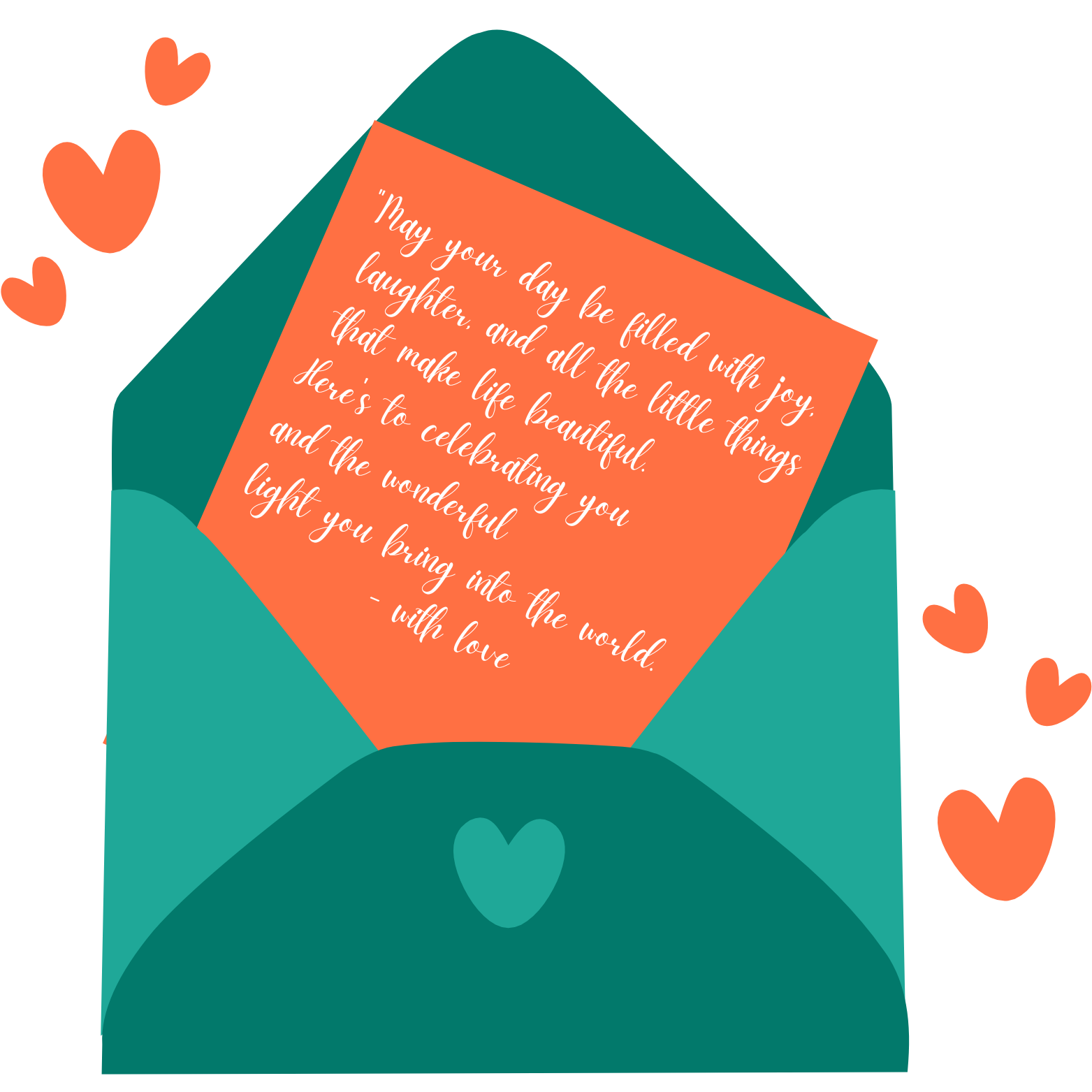
Okay, so the digital age has totally changed how we talk to each other. Greeting cards? Yep, they're digital now too. E-cards – electronic greeting cards, duh – are super popular because they're easy, cheap, and, hey, good for the planet. But, like, now there's a whole new set of rules. Is it always okay to send an e-card? How do you make a digital message feel personal? What should you not do? In 2025, getting e-card etiquette is key if we want to keep our connections real in this digital world. It's a thing.
Sending an e-card is easy, I know. But the thought matters most. An e-card should feel like a real card, you know? Like you actually mean it. It's about being convenient, but also being real. So, let's get into the dos and don'ts of sending e-cards. I want to make sure your digital greetings are awesome and don't land flat.
When to Send an E-Card (and When Not To)
E-cards? Great for tons of stuff. From just saying "hi" to big celebrations. Sending a birthday card online is totally fine for friends, family, work peeps. Same for saying thank you card for small stuff, congratulations cards when someone wins, or holiday cards to be festive. And they're great for anniversary cards too!
But some stuff needs a real card. Like, if someone's really sad or dealing with a loss, a handwritten card is better. It just is. It shows you care more. And, yeah, a digital message is easy. But taking the time to send a real card? Huge.
Also, e-cards might not be right for super formal stuff, like a wedding card or a big work thing. You can use them. But think about what the other person expects. If you're not sure, send a real card. Or, like, a small gift with a quick email. That's nice.
Really, it depends on who you're sending it to, what's happening, and what you want to say. When in doubt? Think about the other person. Do they love tech? Or are they old-school?
Personalization is Key: Making Your E-Card Meaningful
Okay, a big problem with e-cards is they can feel cold. So, make them personal! Don't just send a basic e-card with the same old message. Take a sec to make it yours.
Start with their name. Duh. And mention something special about you two or why you're sending the card. Share a memory, say something nice, or give them a real compliment. The more you put in, the better. Think of something only you two would get.
Lots of e-card places let you add your own photos or videos, which is awesome. Add a pic of you two, or a quick video. It makes the e-card way more special. Pictures of fun times, inside jokes, good memories... gold!
And the design? Important! Pick something that fits them and the event. Are they fun? Serious? Pick a design that they'd like. There are tons of options – funny, classy, whatever.
Finally, read it over! Spelling mistakes are bad. Make sure it's clear, short, and perfect. It shows you care.
The Dos and Don'ts of E-Card Delivery
Even a great e-card can fail if it's sent badly. So, here's what to do and what not to do.
- Do make sure you have the right email. Sending it to the wrong place is just... bad.
- Don't send from a weird email address. It might go to spam. Use a real email.
- Do think about when you send it. A birthday card a week late is... not great. Try to send it on time.
- Don't send a million e-cards for the same thing. One is enough!
- Do use a good e-card site. Not one that's spammy.
- Don't use e-cards with crazy animations, loud music, or pop-ups. Annoying!
- Do think about their internet and devices. Some e-cards don't work on old stuff.
- Don't assume they check their email all the time. Text them or call them to say it's coming.
Alternatives to E-Cards: When a Digital Note Isn't Enough
E-cards are easy, but sometimes you need to do more. People still like real stuff, you know? A handwritten note or a small gift goes a long way.
Like, if someone really helped you out, a simple thank you card isn't enough. Get them a gift or take them to lunch. If someone's having a hard time, call them or visit them. A get well card is nice, but helping them out is better.
Or, send a personal email or message on social media. Good for less formal stuff, or if you want to share a photo or video. But be careful about their privacy. Some people don't like personal stuff on social media.
Really, the best thing is to be thoughtful. Pick the right way to talk to them. And remember, it's the thought that counts. If someone just had a new baby card moment, pair it with a gift to show how much you care!
So, yeah, e-cards are great in 2025. But think about the rules. If you're careful, personal, and send them right, they can help you stay close to people. Being thoughtful is the key, no matter how you talk to someone.
Ready to make someone's day?
Create a free group greeting card in minutes — anyone can add a message, no sign-up needed.
Browse cardsGreetopia team
Ideas and inspiration for heartfelt cards.
Related articles
View all posts → 6 min
6 minWords of Pride: Supportive Cards and Messages for Coming Out in 2026
Words of Pride: Supportive Cards and Messages for Coming Out in 2026 Let’s be honest for a second: coming out is incredibly brave. It’s also deeply personal…
 6 min
6 minGoing Digital for June: Creative Pride Month E-Cards to Share Online
Going Digital for June: Creative Pride Month E-Cards to Share Online June is finally here! And honestly, I couldn't be more excited. The colors, the community,…
 5 min
5 minCelebrating Juneteenth Digitally: E-Cards for Remote Teams
Celebrating Juneteenth Digitally: E-Cards for Remote Teams I am writing this between packing up orders and sorting out support emails, but this is a topic that…