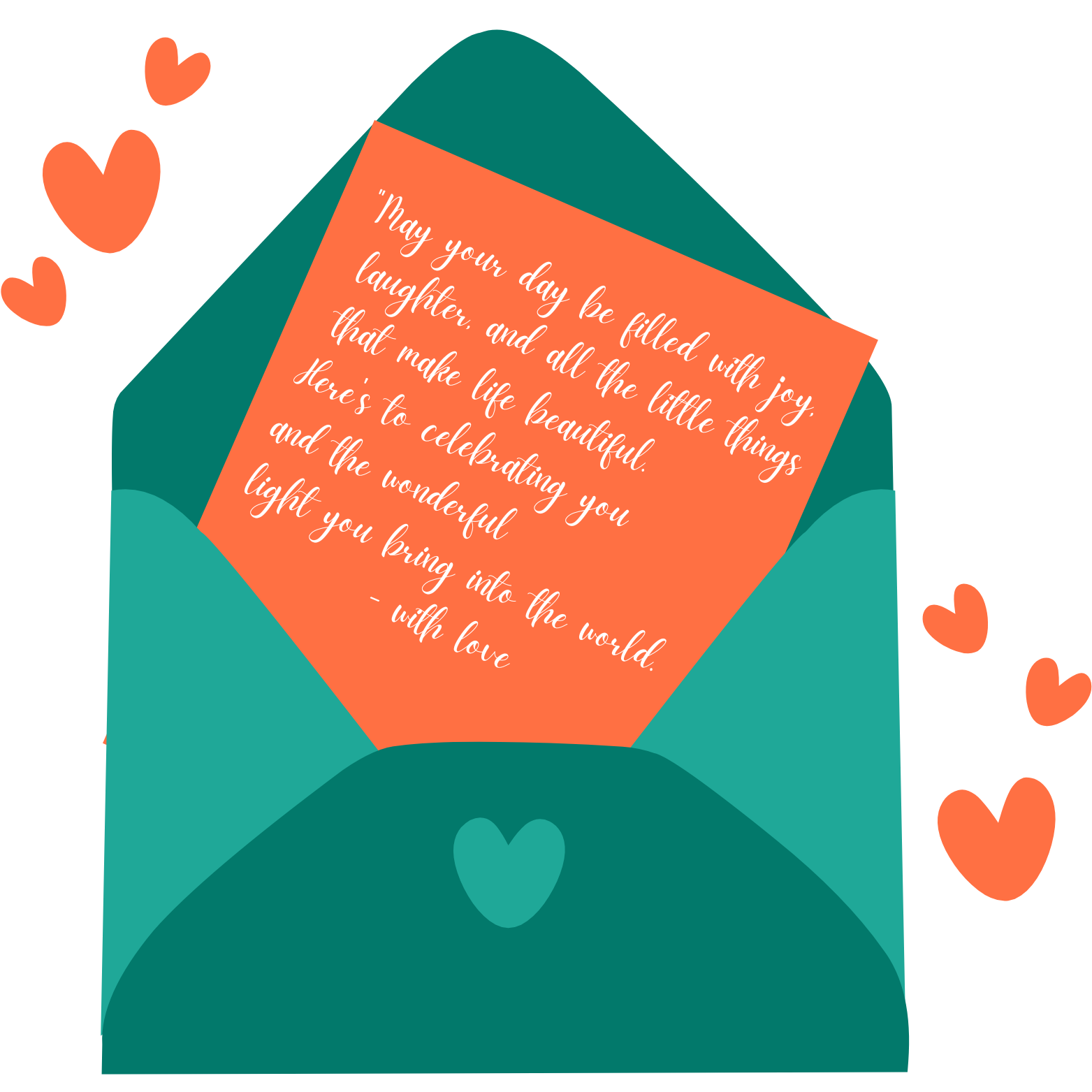
The Power of Snail Mail: Why Physical Cards Still Matter in a Digital World

The Power of Snail Mail: Why Physical Cards Still Matter (Even Now!)
Okay, so it's 2025. We're all about instant stuff, right? Emails, texts, social media – boom, everywhere, instantly. But you know what's still awesome? Good ol' snail mail! Physical greeting cards? Yeah, they still matter. I think they offer something digital just can't. There's just a magic to getting a real, handwritten card. It really resonates in our digital lives. It just does.
Digital messages? Sure, they're easy. But they often miss that personal, heartfelt touch of a real card. Finding something other than bills in your mailbox? It’s a reminder someone actually took the time to think of you, pick a card, and mail it. Seriously, it’s special. In a world of fleeting digital stuff, a real, deliberate connection stands out.
So, in this post, I’m diving into why snail mail still rocks in 2025. I’ll talk about the feels you get from a handwritten card, the cool benefits of tangibility, and why it's still awesome for connecting with people you care about. And, I'll even touch on how the card industry is keeping up with the times.
The Emotional Impact of Handwritten Cards
There’s a special something about getting a handwritten card. Digital stuff? Easily deleted. But a real card? It’s a keepsake you can hold onto. Writing? It shows you care. It means the sender put in time to craft something personal. Something that’s kinda rare these days. Sending a thank you card is always a great idea, by the way.
That emotional impact? It's boosted by those personal touches. A heartfelt message, a funny story, even just the handwriting... it all adds up. It makes a connection that digital can’t touch. Think about getting a birthday card with their handwriting and memories? That beats a generic e-card any day.
And, physical cards? They're permanent. Not just pixels, but real things you can display. You can look back on them. People keep cards for years, remembering special moments. They become part of our story, linking us to people and moments that matter. Especially sentimental cards like a new baby card.
The Benefits of Tangibility
We live in a digital world. Touching things is becoming rare. So, holding a card? It's a nice change. The paper, the weight, the design... it all creates an experience a screen can't copy. This is why sending a Christmas card is so special, don’t you think?
And, real cards? They're more memorable. Studies say we remember stuff better when it's physical. Our brains process it differently. So, a congratulations card for a new job? It's going to stick more than a text.
But it’s more than memory. Tangibility can offer comfort. Holding a card can make you feel warm, loved. It’s a reminder someone cares. That’s super important when things get tough. A get well card can really lift someone's spirits. Especially now, when people crave connection.
Snail Mail: Still Going Strong
Even with all the digital noise, snail mail is still alive and well. Maybe not as much volume-wise, but sending and getting real cards still means a lot. People still dig the thought and personal touch.
The card industry? It's changing too. We're seeing cool designs, personalized stuff, and eco-friendly options. Some companies let you design cards online and mail them. It's like digital convenience meets snail mail heart. These personalized options rock for events like a wedding card.
Plus, people are getting back into crafts like calligraphy and letter writing. It's making snail mail even more popular. People are rediscovering the joy of sending real cards. It’s relaxing and a great way to connect. Taking the time to send a valentine card shows your significant other you care. As people crave real connection, the appeal of physical cards will endure.
Wrapping Up
In our digital world, snail mail still has serious power. The feels you get from a handwritten card, the benefits of tangibility... it all makes it super relevant. Digital messages are easy, but they often lack a personal touch. A thoughtful card is a keepsake that can be treasured. Sending a mother's day card tells your mom she is valued.
So, next time you want to connect, grab a pen. Pick a card, write a message, and send it. You might be surprised by the impact. In our busy world, a simple card can make a difference. It’s a small thing that can create a connection and bring joy. Sending an anniversary card to a spouse is the perfect way to express love.
The future? It's digital, sure. But the charm of real cards will stick around. They offer connection, a personal touch, and feels that digital can’t match. Embrace snail mail! It's a tradition worth keeping alive.
Ready to make someone's day?
Create a free group greeting card in minutes — anyone can add a message, no sign-up needed.
Browse cardsGreetopia team
Ideas and inspiration for heartfelt cards.
Related articles
View all posts → 6 min
6 minWords of Pride: Supportive Cards and Messages for Coming Out in 2026
Words of Pride: Supportive Cards and Messages for Coming Out in 2026 Let’s be honest for a second: coming out is incredibly brave. It’s also deeply personal…
 6 min
6 minGoing Digital for June: Creative Pride Month E-Cards to Share Online
Going Digital for June: Creative Pride Month E-Cards to Share Online June is finally here! And honestly, I couldn't be more excited. The colors, the community,…
 5 min
5 minCelebrating Juneteenth Digitally: E-Cards for Remote Teams
Celebrating Juneteenth Digitally: E-Cards for Remote Teams I am writing this between packing up orders and sorting out support emails, but this is a topic that…