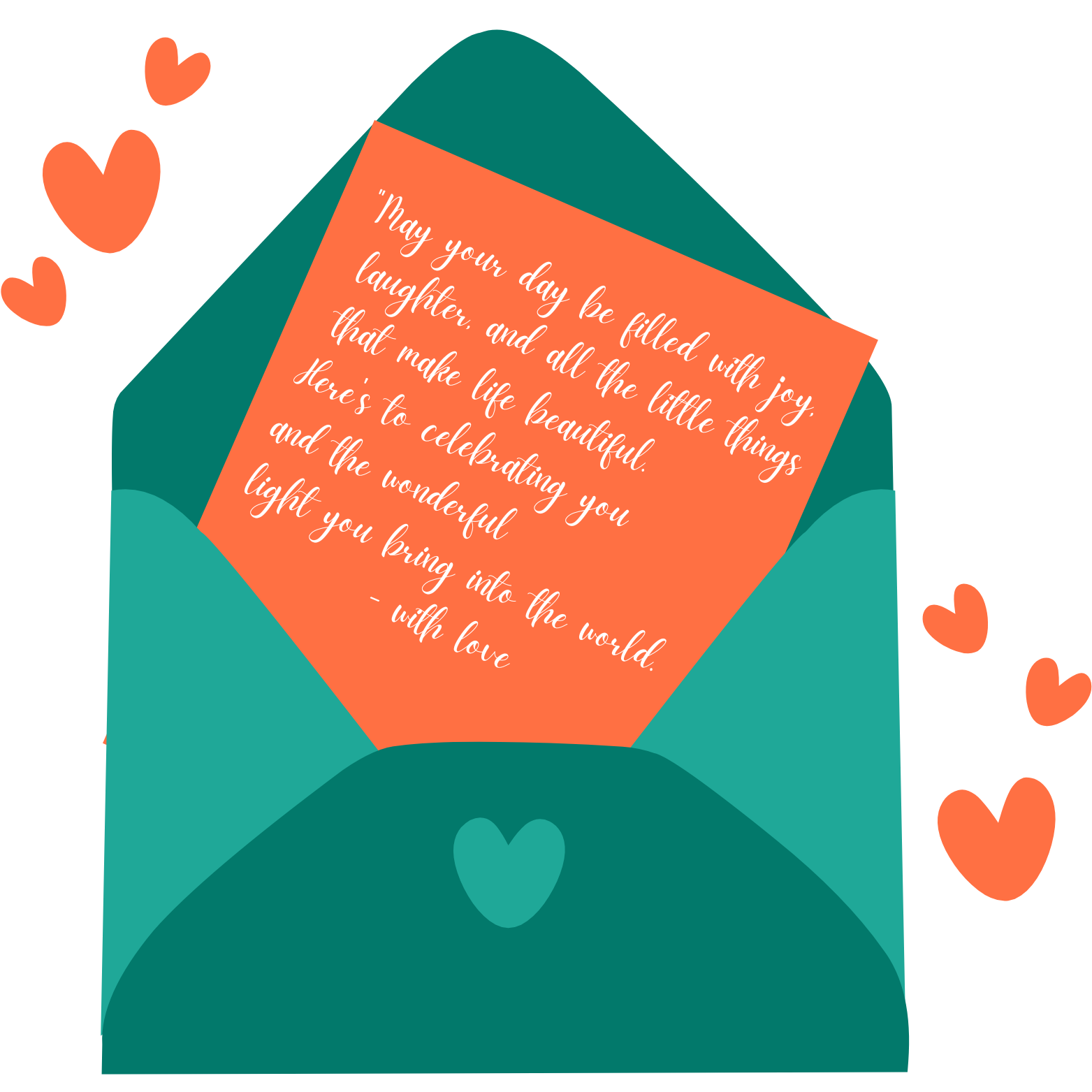
The Psychology of Card Giving: How Greetings Impact Relationships

Photo by Kelly Sikkema on Unsplash
The Psychology of Card Giving: How Greetings Impact Relationships
Okay, so, the world's super digital now, right? Sending a real, physical greeting card can seem…old-school. But! The thing is, cards have this amazing psychological power. It's not just paper; it's connection, it's caring, it's saying, "Hey, I thought of you!" And that builds relationships and, honestly, makes people feel good. It’s 2025, and understanding this is, like, super important. I think we sometimes forget that.
Sending a card? It's thoughtful. You have to stop, really think about the person, and pick a message that means something. That's why it's so much more than a text. It's time, it's effort, it's real. And getting a handwritten note? That's a happy surprise in a world of pings and notifications, don't you think?
Giving is human. It just is! And greeting cards? They’re a powerful way to show that. Birthday, thank you, or just "thinking of you" – these things lift people up. Let's look at how they work. Let’s dive in!
The Emotional Impact of Greeting Cards
Cards? They're emotion carriers. Simple as that. When someone gets one, happy chemicals go off in their brain. They feel seen, valued, appreciated. It can change their whole day. Getting a Christmas card from someone you haven't seen in ages? That's warm fuzzies, right there. Nostalgia! Belonging!
And the feeling? It sticks around. Cards aren't like fleeting DMs. People keep them. Weeks, months, even years. Every time they see it, the good feelings come back, strengthening that bond. A sympathy card when things are rough? It's a reminder you're not alone. It’s comfort. Real comfort. That's something a text can't do, you know?
That personal touch makes a huge difference. Handwriting, even just a few words, adds so much. It shows you care, you put in the effort. It makes the receiver feel valued. And in 2025, with AI writing everything? That human touch is gold.
The Science of Gratitude and Greeting Cards
Gratitude is like a superpower. Happiness, better relationships, even better health! Sending a card is saying "thank you", plain and simple. Writing a thank you card makes you think about what you're grateful for, amplifying the good feelings. Honestly, it's a win-win.
Studies show gratitude builds connections. When we show appreciation, we strengthen bonds. A valentine card to your partner? Classic! It reinforces that romantic connection. Plus, writing the card is like a mini-meditation. You slow down, you think, you appreciate. So good!
And it's not just for the sender! Getting a thank you card boosts self-esteem, makes them feel appreciated. Then they're happier. And you're happier. It’s a positive loop! Stronger, healthier relationships all around.
Personalized Cards and Fostering Connection
Everything's mass-produced these days. So personalized stuff? Really special. It shows you put in that extra thought. You cared enough to make it unique. And that matters. A lot.
Personalization can be anything. A card that fits their interests. A handwritten message from the heart. A graduation card with their school colors. A new baby card that matches the nursery. Even just an inside joke. It all makes it more meaningful. Services even let you upload your own photos now! Custom cards FTW.
Personalized cards are also amazing for long-distance friendships. Sending a birthday card or a holiday card says "I'm thinking of you, even though we're apart." Staying connected is so important. A retirement card showing you get their hobbies and future plans? Priceless.
Greeting Cards and Overall Well-being
The good vibes from giving and getting cards? They spread out, beyond just the two people involved. It boosts overall well-being. Kindness and generosity make us happier, less stressed. Sending a congratulations card or a get well card? Simple ways to show you care. Makes you feel good, makes them feel good. Boom.
Creating or picking out a card can also be therapeutic. Designing a handmade card? That's mindfulness! You focus, you relax. And in 2025, with everyone talking about mental health? Card giving is self-care. I'm serious! A mother's day card or father's day card? Strengthens the family. Connection is everything.
Even with all the digital noise, a simple greeting card still has so much power. These little things? They build connection, show gratitude, and boost well-being. So, this year, take a sec to think about the impact of a heartfelt message. It’s bigger than you think. Brighten someone's day! Strengthen your relationships! Send a real card. It shows you care in a way that a text just can't. Trust me on this one!
Ready to make someone's day?
Create a free group greeting card in minutes — anyone can add a message, no sign-up needed.
Browse cardsGreetopia team
Ideas and inspiration for heartfelt cards.
Related articles
View all posts → 6 min
6 minWords of Pride: Supportive Cards and Messages for Coming Out in 2026
Words of Pride: Supportive Cards and Messages for Coming Out in 2026 Let’s be honest for a second: coming out is incredibly brave. It’s also deeply personal…
 6 min
6 minGoing Digital for June: Creative Pride Month E-Cards to Share Online
Going Digital for June: Creative Pride Month E-Cards to Share Online June is finally here! And honestly, I couldn't be more excited. The colors, the community,…
 5 min
5 minCelebrating Juneteenth Digitally: E-Cards for Remote Teams
Celebrating Juneteenth Digitally: E-Cards for Remote Teams I am writing this between packing up orders and sorting out support emails, but this is a topic that…