From Friend Zone to More: Sending Signals with Greeting Cards

Photo by sippakorn yamkasikorn on Unsplash
From Friend Zone to More: Sending Signals with Greeting Cards
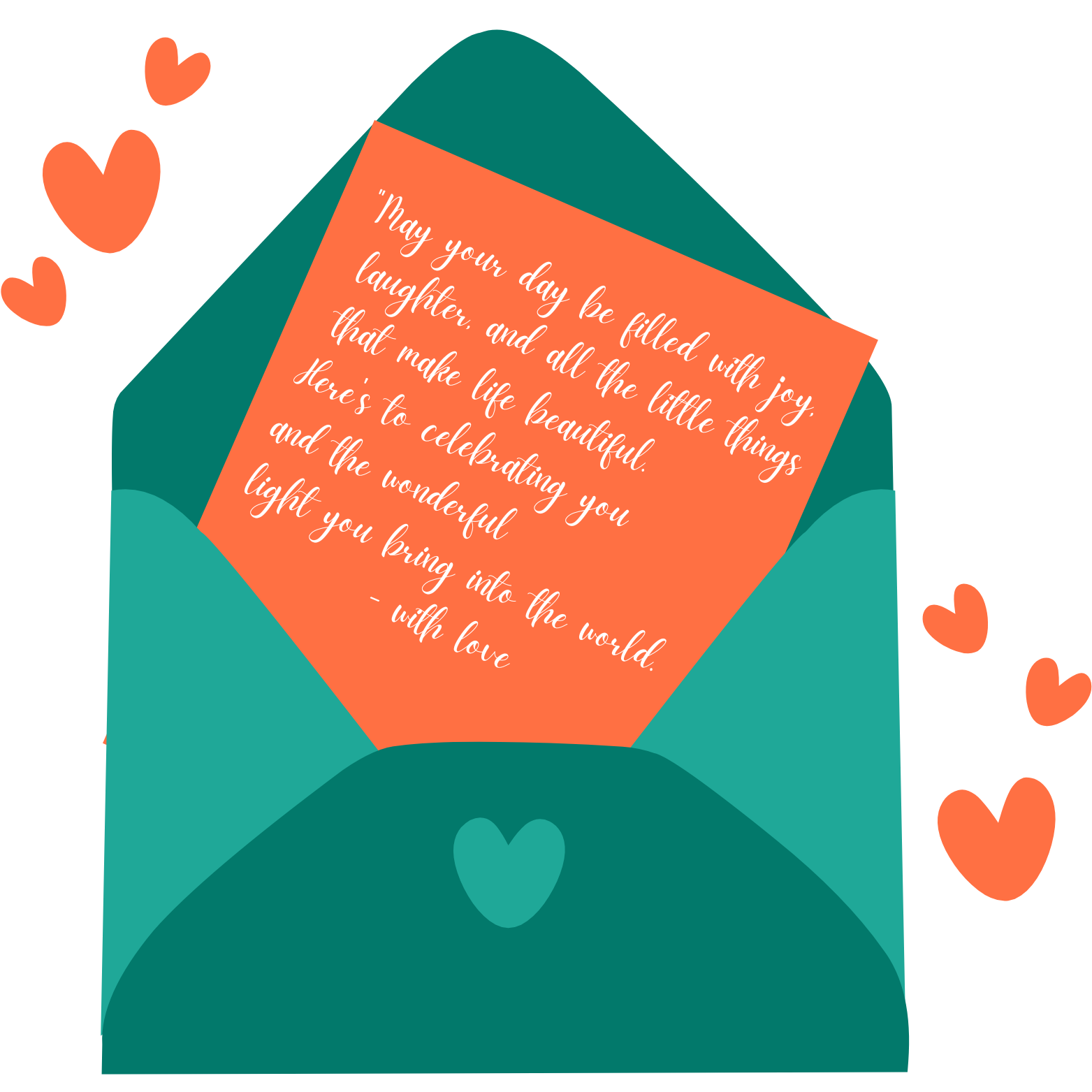
The "friend zone" – that ambiguous space between platonic camaraderie and budding romance. Navigating it? Tricky. Feels like tiptoeing through a minefield, doesn't it? How do I subtly express romantic interest without blowing up a valuable friendship? It's 2025, digital stuff rules, but a real greeting card? Still packs a punch. It's personal. Thoughtful. Shows emotions that texts just...don't. So, can a greeting card actually help you escape the friend zone? I think the answer's yes – if you plan it right, and bring a little courage.
Greeting cards? They're tangible. You can hold them. Cherish them. Unlike a text that vanishes, a card sits there. On a desk. A shelf. Always reminding them of you. Shows you put in time and thought. Choosing the right card, writing something real? That subtly shifts things. Signals you want something more. But remember, subtlety! Can't be too obvious, or it'll backfire. In this article, I'll explore how to use cards to send the right signals. Maybe even transition from friend to...something else.
Decoding the Card: Choosing the Right Message
First step: find the perfect card. Ditch the generic, mass-produced stuff. Go for something that screams your friend's personality. Their interests. Or a shared joke. Shows you pay attention. You get them. A blank card's great too. Let's you write a real message, straight from the heart.
What you write? Even more important than the card itself. Don't just blurt out your undying love! Instead, focus on admiration, appreciation, affection. Acknowledge what you value in them. Highlight your unique bond. Like, "I always appreciate your [positive trait, e.g., sense of humor, insightful advice]. Our chats always make my day." Shows you care, without going overboard.
Timing's key too. Don't just send a random card for no reason. A valentine card? Obvious, right? Too forward, maybe. Instead, think smaller. Less romantic. A card for their birthday cards, or after they nail a goal with a congratulations card. Even a thank you card for being a great friend can work wonders. Sending a get well card if they're sick is also a good idea, to show how much you care for them.
The Art of Subtlety: Sending the Right Signals
Subtlety. That's how you escape the friend zone with greeting cards. Express interest, sure, but don't make them feel pressured. Build emotional intimacy. Thoughtful gestures. Heartfelt words. Avoid cheesy romance. Instead, appreciate their friendship, highlight their best traits.
Throw in inside jokes. Shared memories. Shows you value your bond. You remember the good times. You could say, "Remember when we [shared experience]? Still makes me laugh!" Creates camaraderie. Reminds them of the fun.
Don't be afraid to be vulnerable. Share something small about yourself. How their friendship helps you. Shows you trust them. Value them. But don't overshare! No emotional dumps on a greeting card. Keep it light, positive, about them.
After the card? Watch their reaction. Are they open to your affection? Do they reciprocate? Maybe they're interested too. But if they seem distant? Respect that. Don't push. Enhance the friendship, not ruin it, okay?
Beyond the Card: Nurturing a Deeper Connection
A greeting card's just the start. Need to build a real connection. Spend quality time. Meaningful talks. Show genuine interest. Connect personally. Be present. Be attentive.
Listen actively. Ask questions. Show you care about their thoughts, feelings, experiences. Share your own in return. Create reciprocity. Vulnerability. The more you connect emotionally, the stronger you'll be.
Be supportive. Encouraging. Especially when things are tough. Offer an ear, a shoulder, a hand. Show you're there. Not just as a friend, but as someone who cares. That demonstrates loyalty. Commitment.
Watch their body language. Social cues. Eye contact? Leaning in? Physical touch? Signs they might be open to more. Respect their boundaries, though! No unwanted moves. If unsure, be cautious. Let them lead.
When to Fold: Recognizing the Signs
Not every friendship turns romantic. Sometimes, despite your best, they just...don't feel the same. Gotta recognize that. Accept it. Pushing it ruins the friendship. Creates awkwardness.
If they avoid alone time? Seem uncomfortable with your affection? They might not be interested. If they talk about other crushes, or say they value the friendship too much to risk it? Respect that wish.
A good friendship's worth saving, even if it stays platonic. If you can accept that, great! Enjoy their company. No expectations. No resentment. But if it's too hard to be around them without wanting more? Distance yourself. For your own sake.
Ultimately, deciding to pursue romance with a friend? Personal choice. No right or wrong. Depends on the people involved. But by being honest, respectful, and brave, you boost your chances. Maybe turn a great friendship into something amazing. Don’t forget important life events; sending a retirement card shows that you care about someone.
So, navigating the friend zone? It's a balance. Subtle signals. Real connection. A card, chosen carefully, plus effort to build that bond? Surprisingly effective. Prioritize the friendship. Respect boundaries. Accept the outcome. Romance, or platonic bliss. This Valentine's Day in 2025? Think about the power of a card. Maybe rewrite your relationship's story.
Ready to make someone's day?
Create a free group greeting card in minutes — anyone can add a message, no sign-up needed.
Browse cardsGreetopia team
Ideas and inspiration for heartfelt cards.
Related articles
View all posts → 6 min
6 minWords of Pride: Supportive Cards and Messages for Coming Out in 2026
Words of Pride: Supportive Cards and Messages for Coming Out in 2026 Let’s be honest for a second: coming out is incredibly brave. It’s also deeply personal…
 6 min
6 minGoing Digital for June: Creative Pride Month E-Cards to Share Online
Going Digital for June: Creative Pride Month E-Cards to Share Online June is finally here! And honestly, I couldn't be more excited. The colors, the community,…
 5 min
5 minCelebrating Juneteenth Digitally: E-Cards for Remote Teams
Celebrating Juneteenth Digitally: E-Cards for Remote Teams I am writing this between packing up orders and sorting out support emails, but this is a topic that…