
The ROI of Sympathy Cards: Showing You Care in Difficult Times
Published on December 18, 2025
Photo by Jess Bailey on Unsplash
Okay, so in the messy, beautiful tangle of human relationships, you know how amazing moments often sit right next to the really tough ones? We celebrate birthdays and weddings like it's our job – cards, gifts, the whole shebang. But sometimes, offering comfort when someone's grieving? That kinda falls by the wayside. Sending sympathy cards? It's way more than just a formality, trust me. It's like a little hug in paper form, shows you care, and it strengthens those bonds that hold us all together. And, honestly, in 2025, with everyone finally realizing feelings matter, understanding how important a sympathy card really is? It's a big deal. It's about saying, "Hey, I'm here," when things are awful. So, I wanted to explore how a good bereavement card can make a real difference, helping you say the right thing when it's hard.
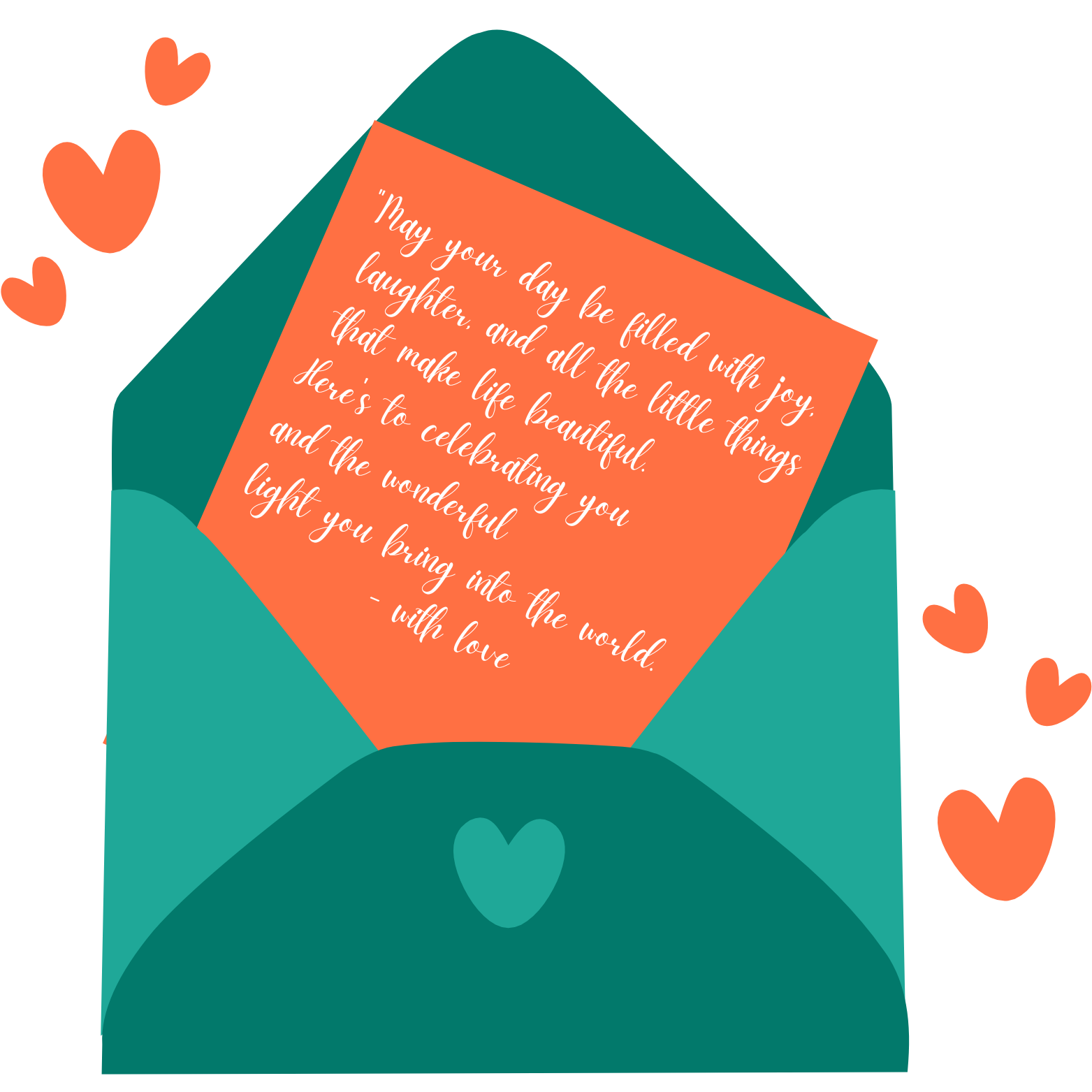
Sending a sympathy card is like a lifeline when words just...fail. It tells someone they aren't alone in their pain. And, let's face it, in our digital world, a real handwritten card? It means something. It says you took time, you put in effort. It's a small thing that can make a huge difference, a light in the dark, you know?
These sympathy cards? They stick around. They're not just for that first sad day. They become reminders that people care, a support system on paper. The ROI of sending condolence messages? It's not about money. It's about making connections, showing empathy, and being there when someone needs it most. I'm gonna dig into the etiquette of sympathy cards, give you some tips on what to say (and what not to say), and show you how much your thoughtfulness really matters.
The Ripple Effect of a Thoughtful Gesture
Sympathy cards remind people they're not alone. Period. This can seriously help with feelings of isolation, which, let's be real, are the worst. In 2025, we're finally getting how empathy works, and these little gestures? They're vital for helping people bounce back and feel okay. When someone gets a condolence message, it actually releases oxytocin – the "love hormone!" That makes you feel connected and safe. See? Science backs it up. Sympathy cards aren't just nice; they're powerful.
Plus, sending a sympathy card often makes people want to pay it forward. When people feel supported, they're more likely to support others. It's a chain reaction of kindness! A simple sympathy card can spark good deeds that go way beyond the person who got it. Think about how a simple thank you card after receiving support can make you feel – it just keeps the good vibes going.
Sending sympathy cards is good for you, too. Being compassionate feels good! It boosts your own mood and gives you a sense of purpose. Reaching out to others makes you feel connected, which is super important for your mental health. And writing a condolence message makes you think about what's important to you. In 2025, when we're all about self-care, it's important to remember that sympathy cards help everyone involved.
Navigating the Etiquette of Sympathy
Sending a sympathy card means being thoughtful. Pick a card that feels right for the situation – nothing too bright or silly. Simple is good. And be genuine. The goal is to offer comfort, not minimize their pain. A few heartfelt words go a long way.
When you're writing your sympathy card messages, skip the clichés. Instead, share a memory or something you admired about the person who died. A quick story, a kind word, something that shows you cared. That's what makes it real. It's kinda like writing a killer congratulations card – make it personal.
Don't offer advice or try to make it better. Things like "They're in a better place"? Not helpful. Just say you're sorry and that you're there for them. "I'm so sorry for your loss" is powerful. Respect their grief. Let them feel what they need to feel. And heck, send a get well card if that feels right too.
Measuring the Positive Impact
You can't exactly put a number on the ROI of sympathy cards, but you can see the impact. Watch their face when they open it. Do they seem grateful? Comforted? That tells you something. Seeing someone's face light up from a Christmas card and a sympathy card are two different things - but both are important.
Follow up with the person after they get the condolence messages . Check in. Offer to help. Let them know you're still thinking of them. This ongoing support is huge. It shows you really care.
Really, the biggest ROI of sending sympathy cards is knowing you made a tough time a little easier for someone. Being there for someone strengthens relationships and makes the world a kinder place. And in 2025, that's more important than ever. Sending a sympathy card is a simple, timeless way to connect with another human. It's empathy in action.
So, yeah, the ROI of sending sympathy cards is huge. It's about connection, feelings, and making the world a little less lonely. Take a minute to write a heartfelt message, offer your support, and strengthen the bonds that hold us together. Especially when life throws curveballs, like needing retirement cards or anniversary cards.
In a world that feels pretty disconnected a lot of the time, sending a sympathy card is a reminder we're all in this together. It's a small act with big impact. So next time someone's hurting, think about the ROI of a sympathy card. It's an investment in kindness, plain and simple.
Show you care, offer comfort, and build those connections. The return is immeasurable – a world where empathy wins, and even when things are really, really hard, we remember we're not alone.
Written by Greetopia team