The Future of Greetings: How AI and Sci-Fi are Reshaping Cards

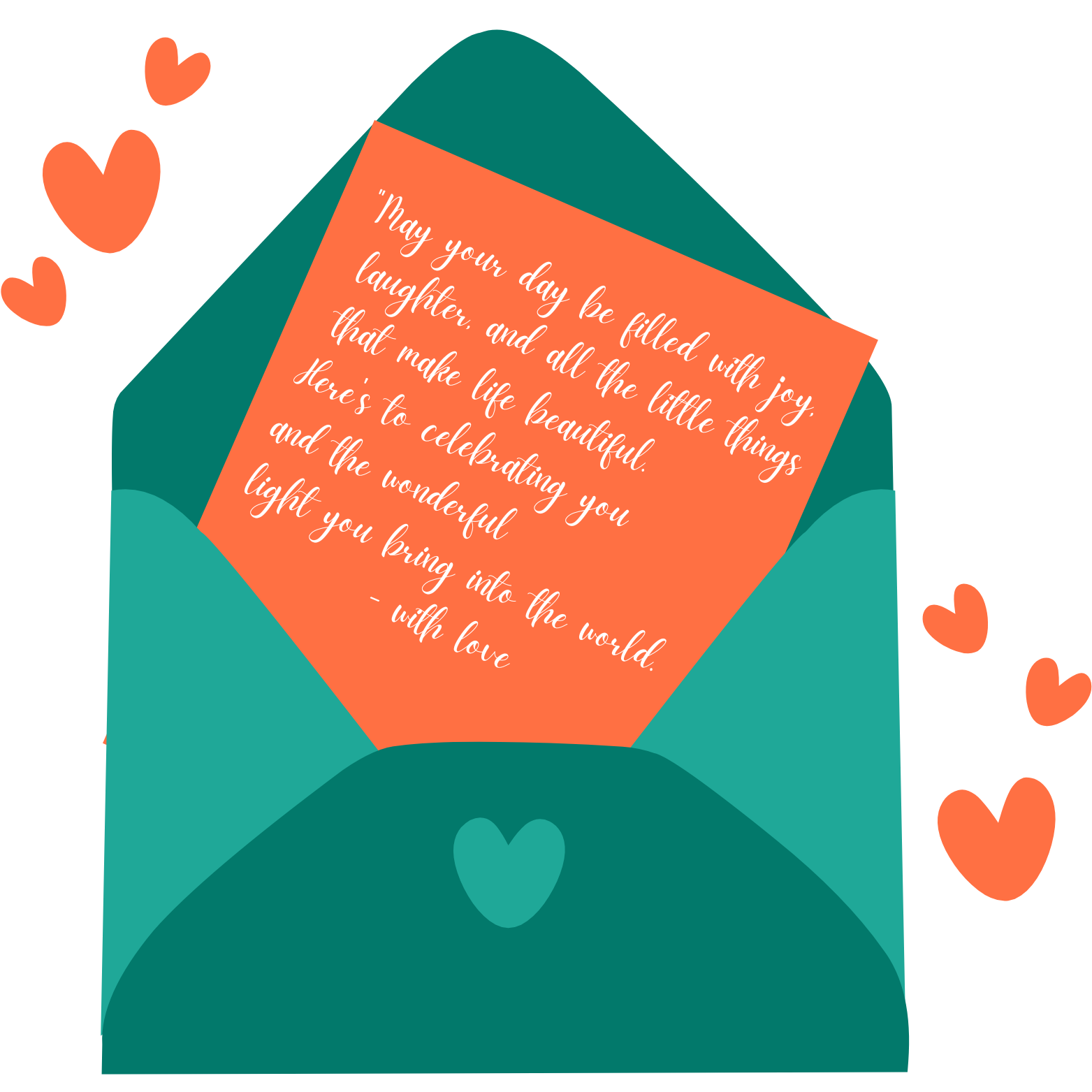
Photo by Sticker it on Unsplash
The Future of Greetings: How AI and Sci-Fi are Reshaping Cards (2025)
Okay, so forget those boring, mass-produced cards from the past. It's 2025, and the greeting card world? Totally changing. Sci-fi ideas and AI smarts are making it happen. We're not just talking about paper with words. Think personalized, interactive stuff that really connects with people. I'm not just sending a card; I'm sending a feeling, an experience – something real.
The future? It's here. It's way cooler than you think. AI gives personalized ideas, AR makes things pop off the page... we're changing how we show our feelings. Imagine a birthday card where a hologram sings 'Happy Birthday.' Or a thank you card that grows a virtual garden. Each 'thank you' turns into a flower. It’s the age of the intelligent greeting, believe me.
This post? I'm diving into how AI and sci-fi are changing cards. We're talking personalized, interactive, futuristic greetings. Let's explore the tech, the trends, and, most importantly, how it feels.
AI-Powered Personalization: The Card That Knows You
AI's changing everything, right? Cards are no different. Imagine an AI that knows your friends, remembers dates, and suggests perfect words. That's now. AI platforms make super-personalized greetings. They use stuff like personality, your history, even social media. It's beyond just a name; it's a message that clicks.
And AI helps with design! You type in a few words, a feeling, and bam! AI makes card designs, fonts, even poems. Anyone can make a great card now, even if they can't draw. Like, if you need a sympathy card, AI could suggest calm colors and comforting words.
Even picking a card is smarter. No more endless aisles. AI looks at what you bought before and suggests the best card. Saves time. Makes sure you send something thoughtful. It can even remind you about things like a anniversary card. Never miss a date again!
Augmented Reality: Bringing Cards to Life
AR is huge in cards. Cards aren't just flat paper now. Scan it with your phone, and BOOM! Interactive stuff! Imagine a Christmas card that turns into a virtual snow globe. Reindeer, Santa, the works.
AR makes seriously cool experiences. A graduation card could show a 3D grad getting their diploma, with confetti! A new baby card could show a virtual baby room with cute animals. It's endless. It adds a whole new level to sending a card. So exciting!
It's not just animations, either. AR can make real connections. Cards can have video messages from you. It's more personal. AR can also make games or puzzles in the card. Fun stuff! AR cards are getting super popular. It’s a special way to connect, honestly.
Sci-Fi Inspired Designs and Technologies
Sci-fi's always inspired tech. Cards are no different. We're seeing sci-fi themes and tech in cards. Holograms, displays, robots delivering greetings… it's all real now.
Think about sending birthday cards that project a tiny hologram party on someone's desk. Or a valentine card with ink that glows in a heart shape. These cards are pushing boundaries! Flexible displays and tiny electronics make cards amazing and interactive.
Also, sustainable stuff is getting big. People care about the environment. We're seeing cards made from recycled paper, plantable seeds, even plastics that break down. You can show you care and be eco-friendly. Expect more cool, green materials in the future.
The Future of Emotional Connection
Tech is changing cards, but the point is still the same: show feelings. The future isn't just about gadgets. It's about making a simple gesture mean more. A good get well card with a personal AR message is way better than an email.
Human connection matters, especially now. In a digital world, a physical card says, "I care." By mixing AI and sci-fi with cards, we can make greetings more personal, meaningful, and impactful. Think how happy someone is when they get a nice mother's day card or father's day card.
Cards have a bright future. Full of new stuff and real connections. As tech grows, we'll see even cooler ways to show our feelings. The personalized, interactive, and sustainable cards of tomorrow? They're going to change how we connect. One card at a time.
Ready to make someone's day?
Create a free group greeting card in minutes — anyone can add a message, no sign-up needed.
Browse cardsGreetopia team
Ideas and inspiration for heartfelt cards.
Related articles
View all posts → 6 min
6 minWords of Pride: Supportive Cards and Messages for Coming Out in 2026
Words of Pride: Supportive Cards and Messages for Coming Out in 2026 Let’s be honest for a second: coming out is incredibly brave. It’s also deeply personal…
 6 min
6 minGoing Digital for June: Creative Pride Month E-Cards to Share Online
Going Digital for June: Creative Pride Month E-Cards to Share Online June is finally here! And honestly, I couldn't be more excited. The colors, the community,…
 5 min
5 minCelebrating Juneteenth Digitally: E-Cards for Remote Teams
Celebrating Juneteenth Digitally: E-Cards for Remote Teams I am writing this between packing up orders and sorting out support emails, but this is a topic that…